Catching Techniques
"Catches win matches" - the oldest saying in cricket is still true. A dropped catch can change the course of a game. Master these techniques to become a safe pair of hands.
High Catches
Catching a ball hit high in the air requires good judgment, positioning, and technique. The key is getting into position early and staying balanced.
Technique:
- Judge the flight early - Watch the ball off the bat immediately
- Move quickly - Get to the landing spot as fast as possible
- Call loudly - Shout "MINE" or your name clearly
- Position under the ball - Feet shoulder-width apart, balanced
- Create a cup - Hands at chest height, fingers pointing up
- Watch the ball in - Never take your eyes off it
- Cushion on impact - Soft hands, bring ball into chest
Do's
- ✓ Watch the ball all the way
- ✓ Get balanced before catching
- ✓ Call early and loud
- ✓ Soft hands on contact
Don'ts
- ✗ Run with arms outstretched
- ✗ Catch while moving
- ✗ Hard hands (ball bounces out)
- ✗ Look away before secure
Pro Tip
In the sun, use your non-catching hand to shade your eyes. Position yourself so the sun is behind you when possible.
— Ricky Ponting
Top Videos: High Catches
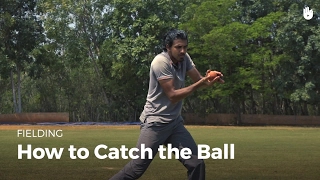 3:10
3:10How to Catch a Cricket Ball
Sikana English
Fundamental catching technique for high and low catches
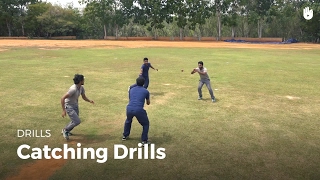 4:25
4:25Cricket Catching Drills
Sikana English
Practice drills to improve high catch success rate
 6:30
6:30Slip Catching with Shane Watson
cricket.com.au
Watson demonstrates catching technique applicable to high balls
 5:15
5:15Complete Fielding Guide
Sikana English
Comprehensive fielding skills including high catching
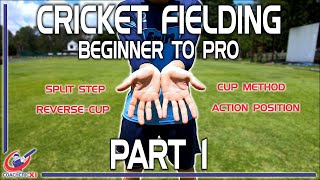 3:45
3:45Fielding Guide - Part 1
Sikana English
Fielding fundamentals including positioning under high balls
Slip Catching
Slip catching is an art. The ball arrives fast, often moving, and reaction time is minimal. The best slip fielders have exceptional concentration and soft hands.
Stance:
- • Low position - Knees bent, weight forward on balls of feet
- • Hands together - Fingers pointing down, ready to react
- • Eyes on the ball - Watch from bowler's hand, not the batsman
- • Stay still - Only move when ball is played
Technique:
- React to ball, not batsman's movement
- Move hands to the ball with soft fingers
- "Give" with the catch - don't snatch
- Watch ball into hands completely
- Bring ball into body to secure
Slip Cordon Positioning
First slip stands closest to keeper (about 2 meters). Each subsequent slip is slightly wider. Gully stands squarer to cover cut shot edges. Distance from bat depends on pace - further back for fast bowlers.
Common Mistake
Slip catching requires constant concentration. One ball of distraction and the edge goes down. Stay focused every single delivery.
Top Videos: Slip Catching
6:30Slip Catching with Shane Watson
cricket.com.au
Shane Watson demonstrates slip catching stance, reflexes, and technique
3:10How to Catch a Cricket Ball
Sikana English
Core catching technique essential for slip fielding
4:25Cricket Catching Drills
Sikana English
Drills to sharpen reflexes for slip cordon catching
5:15Complete Fielding Guide
Sikana English
Fielding principles including close-in catching positions
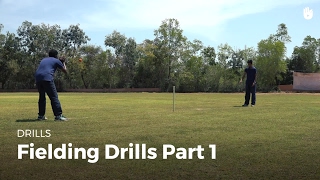 4:00
4:00Fielding Drills - Part 1
Sikana English
Reaction-based fielding drills for slip catching improvement
Close-In Catching
Short leg and silly point are the bravest positions in cricket. You're standing meters from the bat, relying on instinct more than technique.
Safety First:
- • Helmet mandatory - With full face guard
- • Chest guard - Protect vital organs
- • Shin guards - For short leg especially
- • Box - Essential protection
Technique:
- • Low crouching position with hands ready
- • Watch the bat, not the ball
- • React purely on instinct
- • Use instinct - no time to think
- • Trust your reflexes
Pro Tip
At short leg, I never think about getting hurt. Focus only on the catch. Fear makes you slow. Trust your protective gear.
— Eknath Solkar
Top Videos: Close-In Catching
3:10How to Catch a Cricket Ball
Sikana English
Catching technique for close-in positions like short leg and silly point
4:25Cricket Catching Drills
Sikana English
Reflex and reaction drills for catching close to the bat
6:30Slip Catching with Shane Watson
cricket.com.au
Close catching principles demonstrated by Watson
4:00Fielding Drills - Part 1
Sikana English
Sharp catching drills for close-in fielders
5:15Complete Fielding Guide
Sikana English
Full fielding guide covering close-catching positions
Boundary Catches
Boundary catches have become more spectacular in T20 cricket. Understanding the rope, momentum, and relay techniques is crucial.
Standard Boundary Catch
- Judge trajectory early
- Position at boundary edge
- Be aware of where the rope is
- Take catch with momentum going back into field
- Stay inside rope at all times
Relay Catch
- First fielder catches while jumping/falling over boundary
- Before touching ground outside, throw ball back up
- Second fielder catches inside the boundary
- Both touches must be inside field of play
Parry and Catch
- When you can't catch cleanly near boundary
- Parry/tap ball back into field of play
- Re-enter field and complete catch
- Cannot have any contact with ball while touching boundary
Top Videos: Boundary Catches
3:10How to Catch a Cricket Ball
Sikana English
Catching fundamentals for boundary fielding situations
4:25Cricket Catching Drills
Sikana English
Catching drills including boundary relay catch practice
5:15Complete Fielding Guide
Sikana English
Comprehensive fielding skills for outfield and boundary work
 4:50
4:50Cricket Fielding Positions Explained
Sikana English
Understanding boundary positions and their catching responsibilities
 4:10
4:10Fielding Drills - Part 2
Sikana English
Advanced drills for boundary awareness and relay catching
Diving Catches
Sometimes the only way to take a catch is to dive. While spectacular, diving should be a last resort - it's risky and can result in injury.
When to Dive:
- • Only when the catch is otherwise impossible
- • When you've judged you can reach the ball
- • When landing surface is safe
Technique:
- Launch horizontally, not jumping up
- Extend arms fully towards ball
- Watch ball into hands
- Secure ball before thinking about landing
- Land on side/shoulder, not arms or chest
- Roll to distribute impact
Common Mistake
Practice diving on soft surfaces first. Core strength is essential for safe diving. Never dive head-first - always protect your head and neck.
Practice Drills
Rapid Fire
Partner throws balls in quick succession from different angles. Improves reactions and soft hands.
High Ball Machine
Use a bowling machine to launch high catches. Practice judging flight and positioning.
Slip Machine
Specialized machine that fires balls at slip cordon speeds. Essential for slip fielders.
Tennis Ball Reflex
Close-range tennis ball catches for short leg practice. Safer than cricket balls.